
Ten Things Every Child Needs to Hear from a Parent: A Reflection from Genesis 49
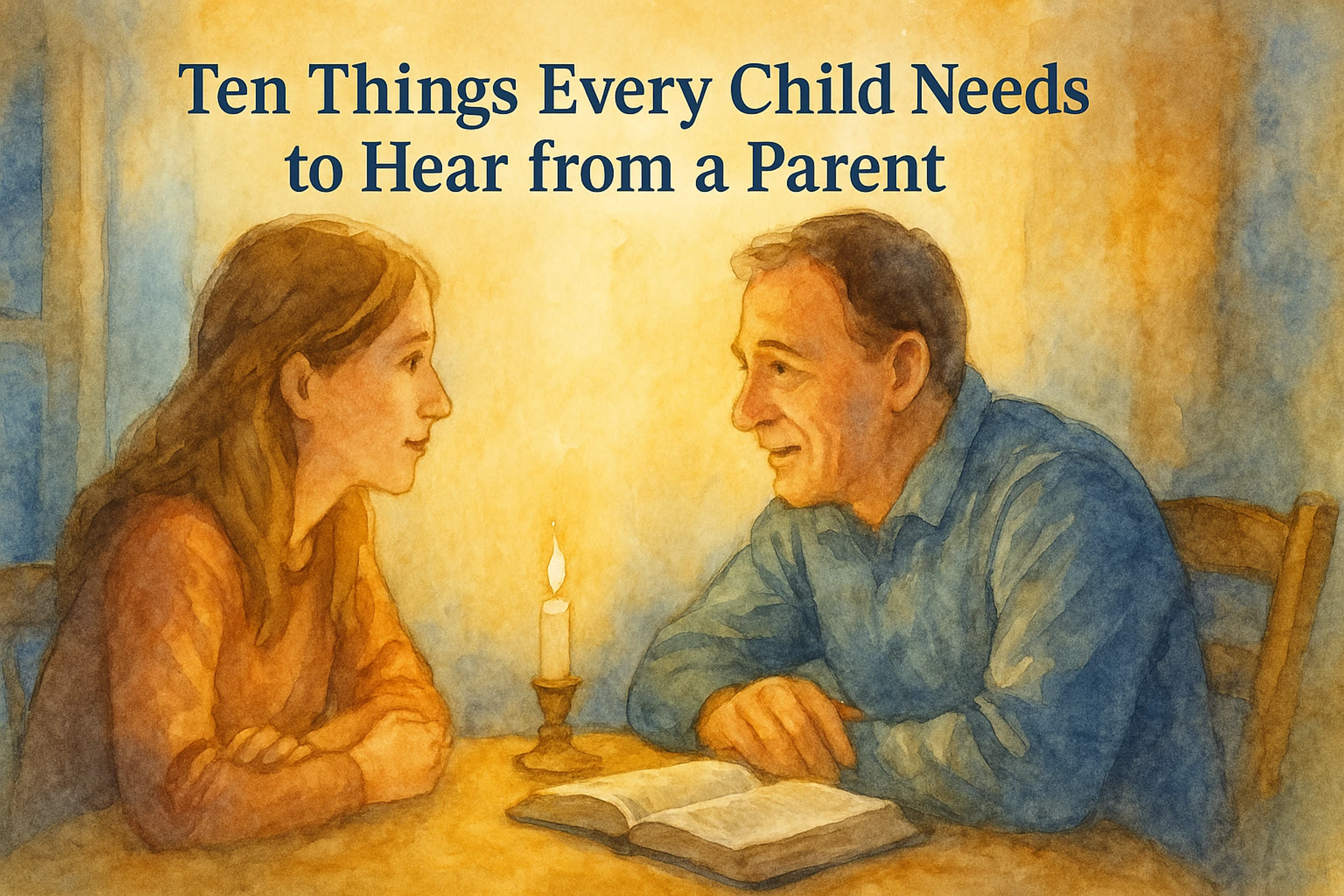
Every parent carries hopes for their children. We dream of who they’ll become, what they’ll love, how they’ll live. But the most powerful thing we give our children isn’t simply opportunity or even advice. The most powerful thing we give them is our words.
Genesis 49 records Jacob’s final conversation with his twelve sons. At the end of his life, he gathers them close and speaks to each one. His words aren’t sentimental or generic; they are honest, personal, and forward-looking. Some are painful reminders of actions that left permanent consequences. All of them are spoken so these twelve tribes would know what to pursue and what to avoid. Jacob names strengths, confronts weaknesses, and ties their future to God’s promises.
From this we hear a father who uses his words to shape his family for generations. Our words carry that kind of power. From his example we can see ten things every child needs to hear—things we should be sure to communicate to our children.
1. “I have so many hopes for you.” Jacob’s words look forward—he tells his sons what will come “in days to come.” Every child needs to know their parents see a future for them—not a scripted plan, not an easy plan, but a God-centered hope. Tell them your greatest dream is faithfulness, not mere success.
2. “I’m proud of you.” Genesis 49:28 shows Jacob’s aim in his words: he blessed each son. Affection accompanies instruction. Every child needs to know you see potential in them, even if they aren't living it out as much as they could. Don’t assume they know it—say it plainly. Even a teenager who rolls their eyes still wants to hear, “I’m proud of you.”
3. “Guard your heart against sexual sin.” Reuben’s failure with sexual temptation cost him deeply and rippled through generations. Every parent should take the power of sexuality seriously. Have the awkward conversation. Help your children see that purity protects intimacy and faithfulness brings peace. What you say early may spare them heartache later.
4. “Don’t let anger write your story.” Simeon and Levi’s uncontrolled fury brought years of trouble to their descendants. No parent wants anger to ruin a child’s life. Talk openly about how resentment poisons relationships. Refuse to model contempt; show kindness and patience with family and strangers; practice repentance when you lose your temper. Show them that real strength is self-control.
5. “Take responsibility—the world needs leaders.” Judah’s life wasn’t spotless, but he grew into leadership by owning responsibility. When others hid, he stepped forward. Tell your sons and daughters that leadership isn’t about charisma or popularity; it’s about courage and care. When they take ownership for their choices and the good of others, call it out and bless it. This is the path of God’s blessing. It may bring difficulty, but it results in the blessing of a meaningful life.
6. “Keep going—trust God to carry you as you trust in Him.” Joseph’s story is perseverance: betrayed, forgotten, falsely accused—yet made fruitful through hardship. Our children need to know that pain doesn’t mean abandonment. When they stumble or suffer, remind them that perseverance is faith in motion.
7. “Work hard and serve well." Issachar’s life was marked by steady, quiet labor—not glamour, but faithfulness. In a world that prizes ease, our children need to hear that diligence and humility matter. Hard work builds character and serves others; it’s how we love our neighbors in ordinary ways.
8. “Use your gifts for good.” Jacob noticed unique strengths—Zebulun’s business sense, Asher’s abundance, Naphtali’s creativity. Parents should do the same. When you see your child’s gift—math, speaking, serving, organizing, artistry—name it. Then help them see how it can serve others. Gifts grow best when pointed toward God’s purposes.
9. “Remember what really lasts.” Jacob’s burial instructions were not nostalgia; they anchored his family in God’s promise of home. Tell your children that comfort and possessions fade—but faith, integrity, and eternity endure. Help them live for something bigger than the next goal.
10. “You are deeply loved.” Everything Jacob said—even the hard words—flowed from love. Every child needs that same certainty. Make sure your words communicate affection as clearly as instruction. Love spoken consistently becomes the soil where faith and confidence grow.
Bringing It All Together
When Jacob finished speaking, Scripture says he “was gathered to his people.” His words outlived him. They became part of Israel’s story—a legacy of blessing, warning, and faith.
You don’t have to wait until the end of your life to speak words that last. Begin now. Write a note to your son or daughter. Have a conversation that’s overdue. Name a strength. Gently warn about a weakness. Speak a word of hope.
Most of all, point them to the One who speaks the truest words over us—the God who calls us beloved, forgiven, and His own, who proved His Word by sending His Son. When we’ve heard His voice, our words gain new power to bless, build, and guide.
Let’s be parents whose children remember not just what we did for them, but what we said to them—words that helped them find their way home.
Take Some Time to Reflect
- Read Genesis 49 this week.
- Ask: What would I say if I gathered my children today?
- And then—don’t wait. Say it now.