
The Arts and Our Gospel Hope
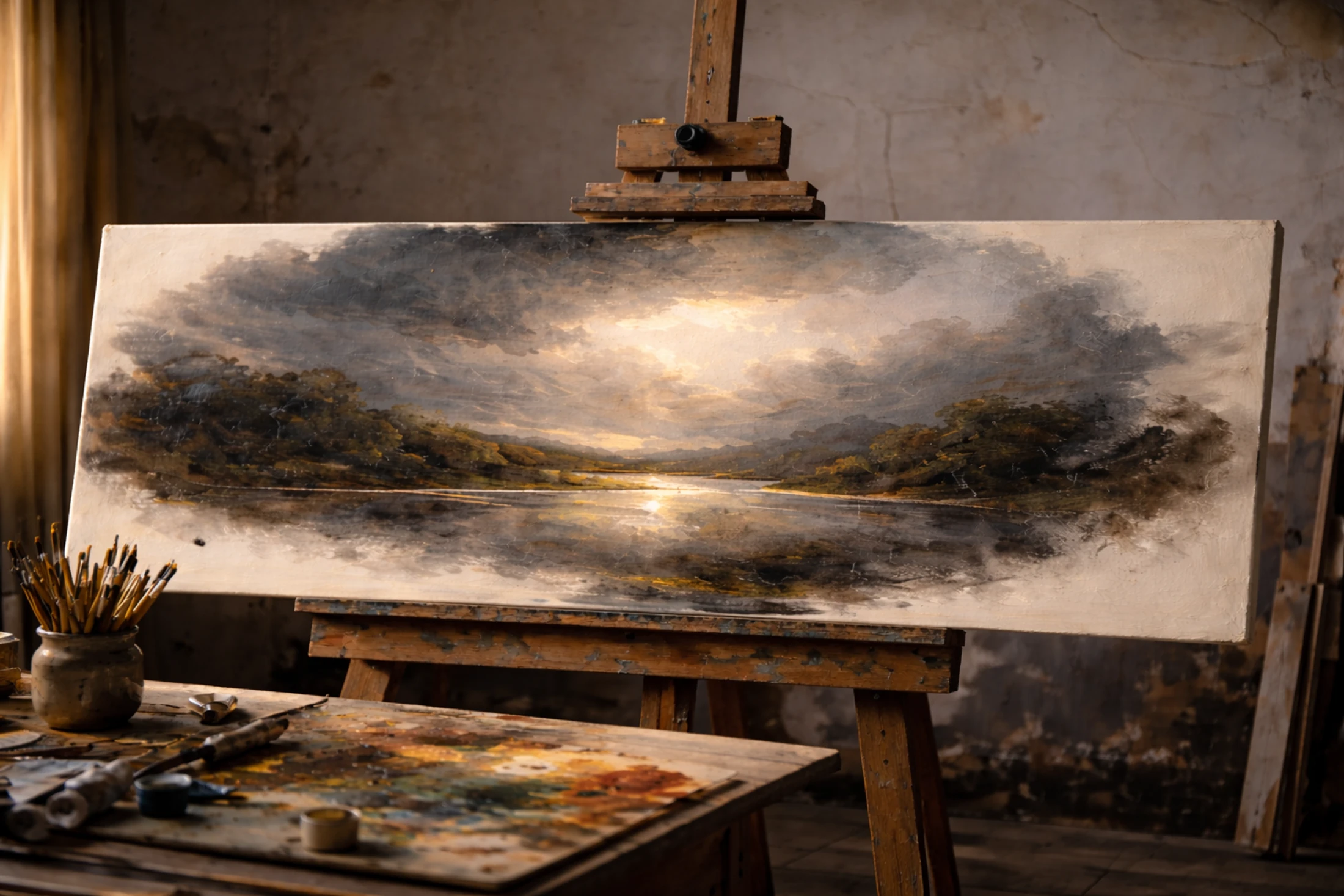
Invitation to the Festival of the Arts
Each year, as we prepare for our Festival of the Arts, I have the opportunity to reflect on the connection between the arts and the gospel. This year, I have been helped by a section of Christopher Watkin’s book Biblical Critical Theory, which considers how Scripture shapes our understanding of culture and the arts.
Philippians 4:8 gives us a helpful lens:
“Finally, brothers, whatever is true, whatever is honorable, whatever is just, whatever is pure, whatever is lovely, whatever is commendable… think about these things.”
The Christian life is not only about believing what is true but also learning to notice and value what is lovely. The arts can help us do that. They train our eyes and hearts to pay attention to God’s world, to its beauty, its brokenness, and the hope that runs through it.
For many Christians, the arts can feel optional, something nice but not necessary. We may connect faith more readily with sermons, Bible studies, and service than with painting, music, poetry, or drama. Yet Scripture gives a fuller picture. The God we worship is not only true and good. He is also the author of beauty. He creates color, sound, story, and form. He fills the world with design and texture. He made human beings in His image with the capacity to make and create.
Art is one way we reflect our Creator. It is one we are the image of God.
But what kind of art fits a Christian vision of the world?
To answer this, lets think about the story of the Bible, namely about good and evil.
Scripture teaches that good and evil are not equal in the story of reality. Goodness comes first. In Genesis 1, God calls His creation “very good.” Sin enters later. Evil is real and serious, but it is not original and it is not final. It corrupts what was good, but it does not erase it.
It means we can be honest about the darkness of our world without believing sin and evil get the last word. We can speak truthfully about sorrow without giving up on joy. We can acknowledge sin without forgetting grace.
This shapes how we think about art.
Some art pretends everything is fine. It shows peaceful scenes and tidy endings that do not match real life. When art ignores pain and struggle, it feels thin. The Bible does not speak that way. The Psalms cry out in lament. The prophets name injustice. Jesus Himself was a man of sorrows.
There is another mistake too. Some art dwells only in darkness. It sees nothing but irony, frustration, and despair. Much of modern culture leans this direction. Happy endings are often treated as naïve. Brokenness is presented as the deepest truth about the world.
The gospel tells a bigger story.
The Christian view of reality has three movements: Creation, Fall, and Redemption.
Creation tells us the world is meaningful and good.
The Fall tells us the world is fractured and painful.
Redemption tells us the world is not abandoned and will be restored.
Good art often resonates with all three.
One writer described hearing Mozart’s clarinet concerto during a difficult season of life. He said the music did not deny sorrow or pretend everything was fine. Instead it seemed to say, “Yes, the world is painful. Yes, you have fears and regrets. And yet…” The music carried a calm joy that did not erase grief but existed alongside it. It reminded him that sorrow is real, but it is not the whole story. There is more to be said.
That “and yet” captures something deeply Christian. The gospel never asks us to deny pain, but it also never leaves us there.
You can often see this in the Psalms. Many of them speak openly about fear, sorrow, and confusion, yet they still turn toward trust and praise. They do not deny hardship, but neither do they let hardship be the final word. In that sense, the Bible itself models the kind of honesty and hope that good art can reflect.
I have seen this same pattern in many faithful Christians. Some of the most meaningful songs, poems, and reflections written by believers come from seasons of suffering. They do not hide grief, but they also do not surrender to it. They speak honestly about pain while still expressing trust in God. That combination of realism and hope is often what makes their words so powerful.
That is closer to a biblical vision of art than either sugary optimism or relentless gloom.
G. K. Chesterton wisely wrote that joy should be the deep rhythm of the soul, while sorrow is a passing note. That does not mean Christians are always cheerful. It means we believe joy is more fundamental than despair because God is more fundamental than sin.
This is one reason a Festival of the Arts matters for our church. It is not just about showcasing talent. It is about learning to see the world through a Christian lens. It is about receiving creativity as a gift from God. It is about telling the truth, the whole truth, about the world God made and is redeeming.
Some of you may feel you are not artistic. Participation is not only about producing art. It is also about appreciating it, encouraging others, and letting beauty lift your heart toward the Lord. When you listen to music, view a painting, or hear a poem, you are practicing attention to God’s world and to the people in it.
Others of you are artists in various forms. This festival is an invitation to offer your gifts to the body. Your creativity can serve and strengthen others. Art can open conversations, stir reflection, and sometimes prepare hearts to hear truth.
So I want to warmly invite you to come, participate, enjoy, and encourage.
Come ready to see glimpses of God’s goodness.
Come ready to be honest about the world’s brokenness.
Come ready to remember that redemption is real.
Above all, come with gratitude that our story does not end in Genesis 3. The same God who made a beautiful world and promised a Redeemer is still at work today. Every act of faithful creativity, however small, points forward to that larger hope.
And we look forward to the day when Christ fulfills His promise:
“Behold, I am making all things new.” (Revelation 21:5)
I pray that this Festival of the Arts would be a small foretaste of that renewal, when beauty is no longer shadowed by sin and the glory of the Lord fills the earth.
Until that day, let us make and enjoy good art as people who know how the story ends.
We hope to see you there.